





The score for the Hulu show "Love, Victor" is something I'm proud of. I get to work with some deeper emotions and help tell a story that I think is important. I'm also proud of the score for the film "Long Weekend" (Sony Pictures), it was my first feature film, and was really exciting to write for. In terms of songs, "Eternal Spring" and "Swimming" are two that I feel good about.
I'm primarily a composer, and along with that comes the need to produce, mix and engineer myself playing different instruments. Or when I'm lucky, I hire other people to play instruments who are better than I am!
I started taking classical piano lessons when I was 5, and I stuck with that on a somewhat serious level until I was about 17. At that point my interests had shifted pretty heavily towards songwriting and song production. Growing up, I listened to a lot of Michael Jackson and Madonna, and I was also really into Tori Amos and The Police (typically 80's baby I guess!). In highschool, I started listening to a band called Jesus Wore Dickies, which was a kind of industrial electronic experimental band, and they sampled lots of weird noises and used them musically, which really shifted the way I looked at music. I was kind of bored writing songs with the guitar and piano, and their music was a gateway to me for more interesting sounds, and got me more interested in sampling and electronic production.
Seeing the band I just mentioned perform was a pivotal moment for me. It just felt other-worldly and really hit me hard. My mom is a beautiful pianist and required me to learn piano growing up, so I'm very grateful to her for that. A friend of mine Andy Roth was the first person to point me in the right direction in terms of learning how to produce my own songs. Paul Bessenbacher is a very talented composer, and I worked at a music production company that he owned for a few years and learned a lot from watching him work. Both in terms of the way he'd approach writing music, but also the way he'd interact with clients, and handle feedback and revisions. Most recently, working with Siddhartha Khosla has been amazing. He is brilliant at knowing how to make a scene come to life, (working to picture) and he has helped to shape my instincts as a composer for TV and film.
Learning how to mix has been an ongoing challenge. I have relied on YouTube tutorials for helping me figure out a lot of it. I gravitate to a lot of warm sounds, and would often end up with muddy mixes with way too much mid range activity, so learning how to carve out that frequency space so that I could achieve some clarity was a big "a-ha" moment for me.
I've really enjoyed the plugin "Izotope Iris" which allows you to turn any sample into a playable instrument really quickly, and also gives you an interesting visual way to shape the sound.
I'd say be prepared to spend a lot of hours honing your skill set, (and if you're passionate about it, that shouldn't be an issue). Never stop learning. If you're trying to achieve a certain sound, and you haven't quite gotten there, try to figure out what you're missing – do you have the right sounds? Is your mix sitting the right way? Always push yourself until you love what you've made. And in all aspects, just keep going. If you work hard and you're kind and thoughtful along the way, you'll be able to build a meaningful career – it just can take a while!
I always use headphones to track audio, and when I'm working late at night. I don't typically use them as a mix reference point, but I'd love to feel confident having that as an option.
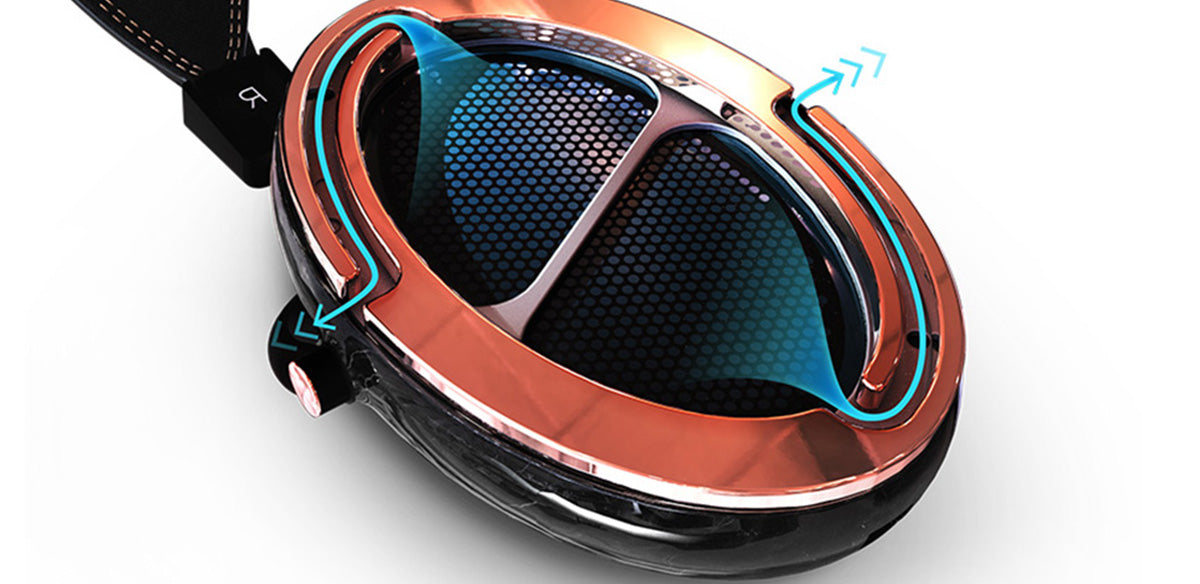
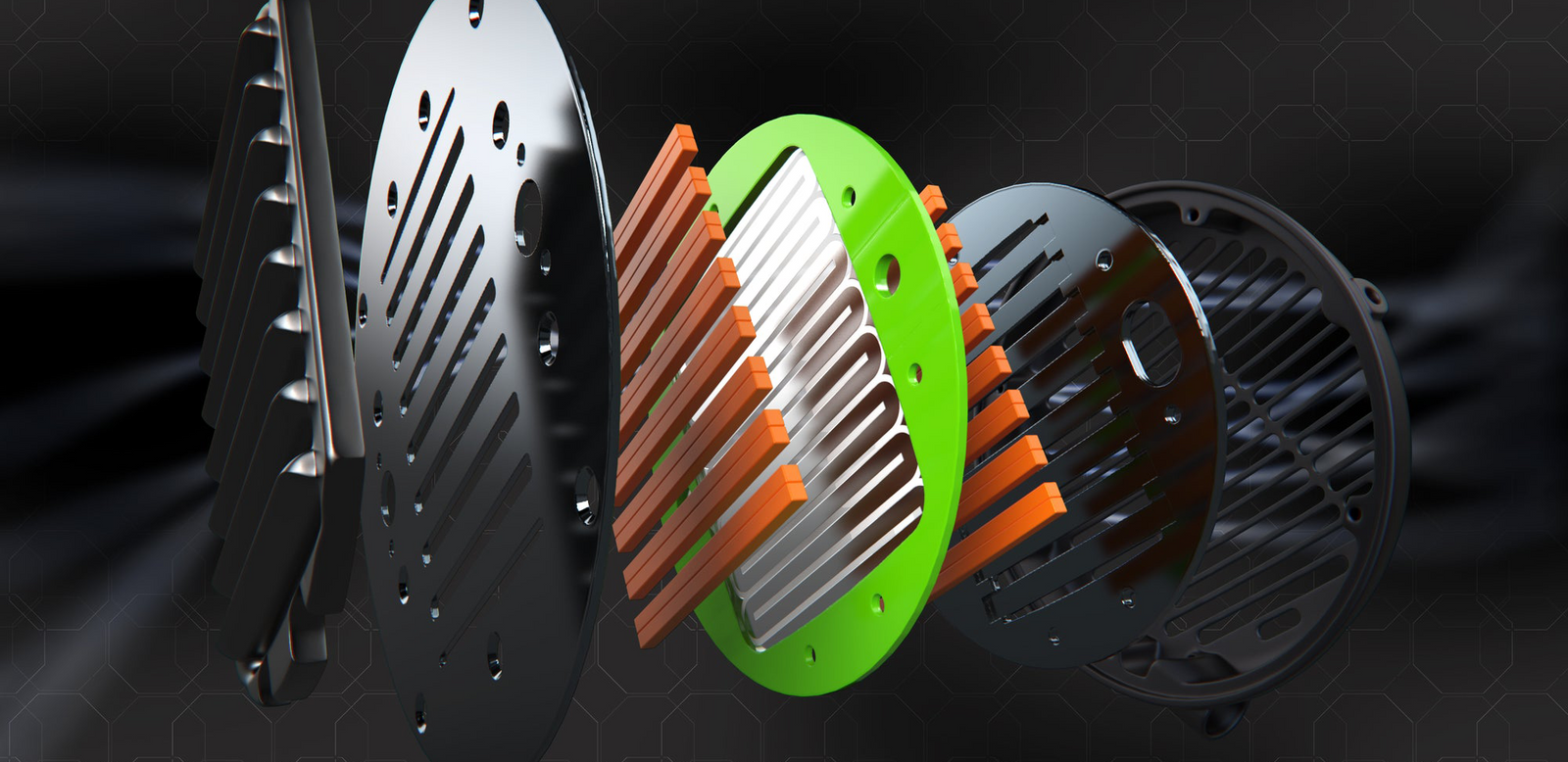
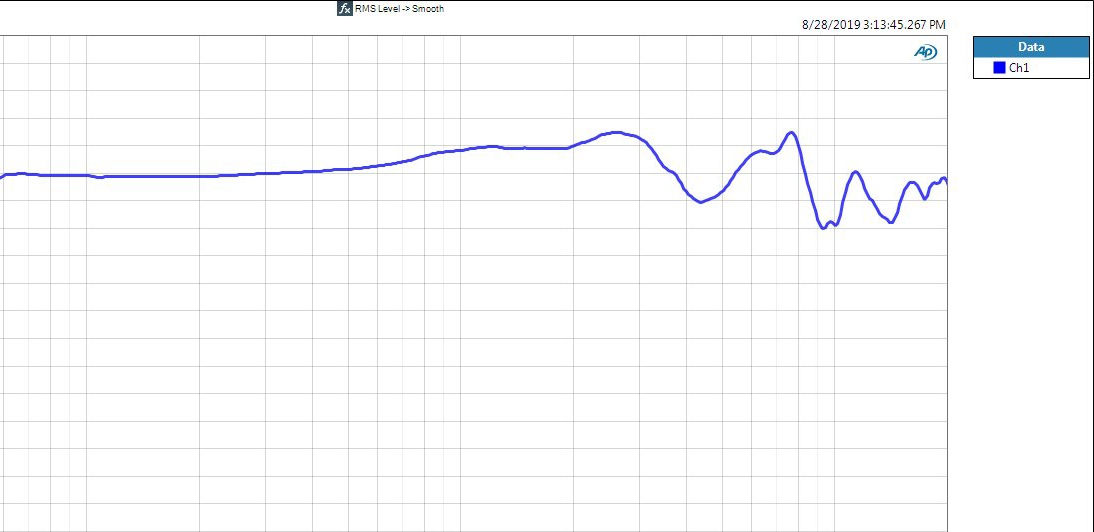
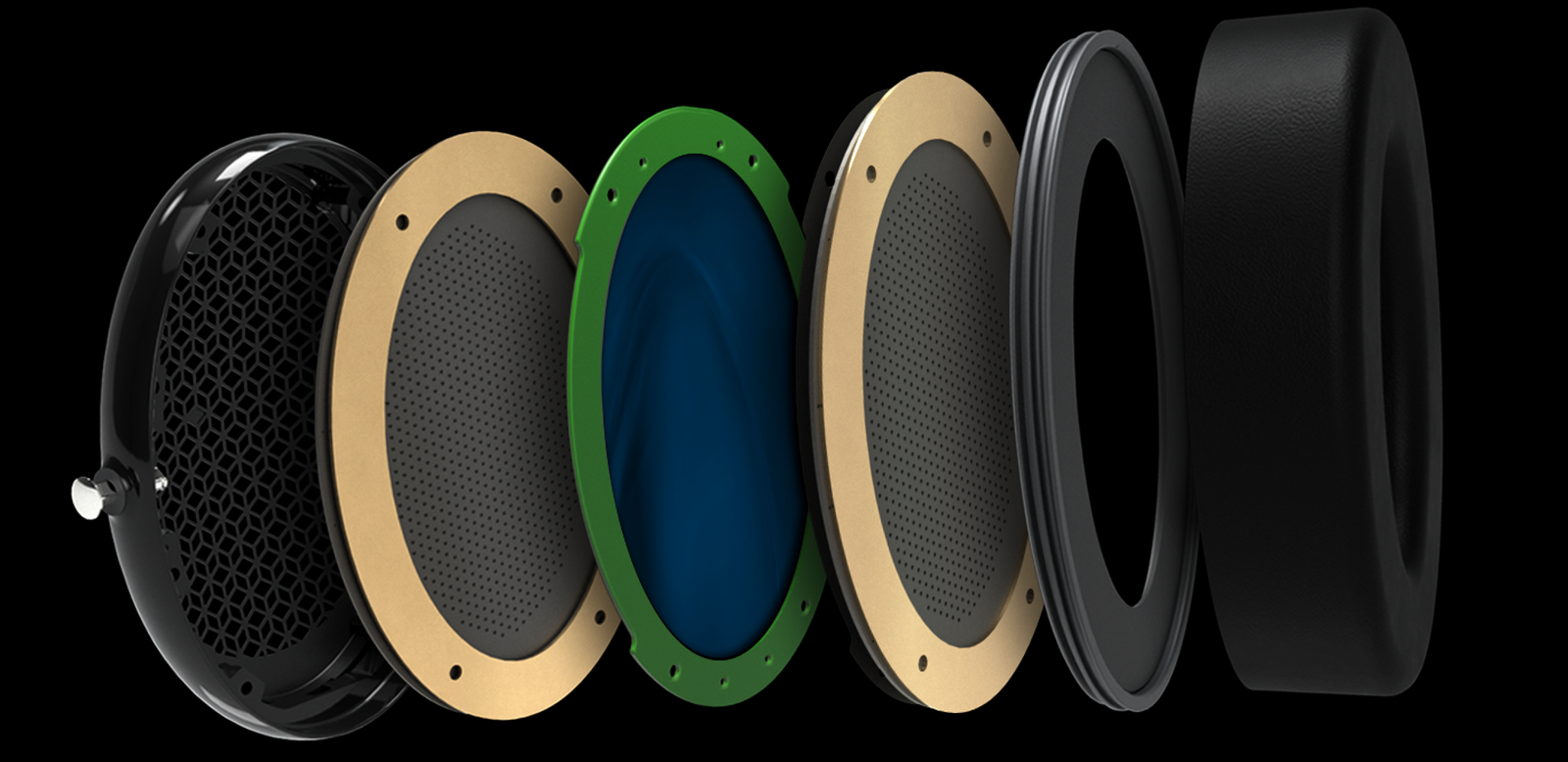
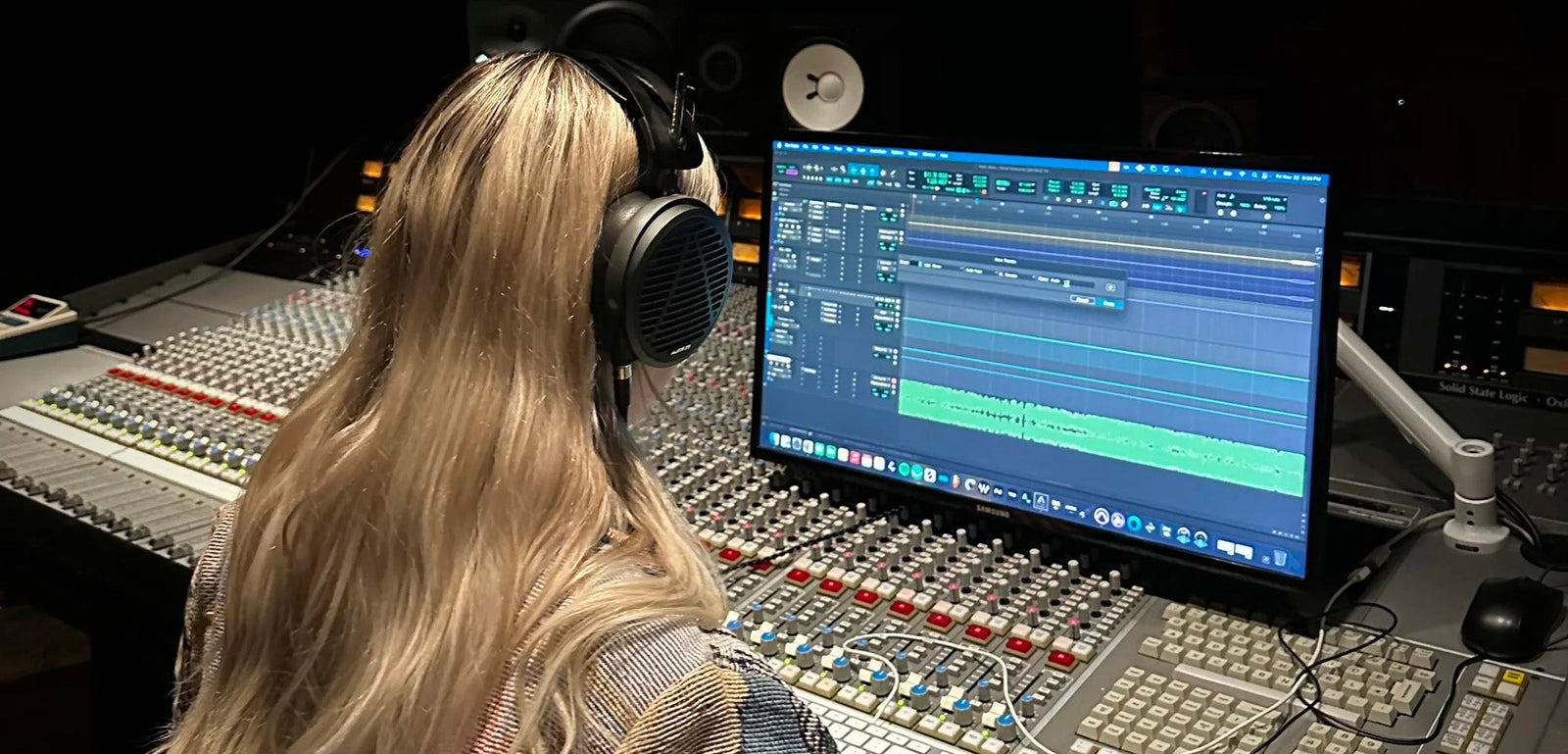
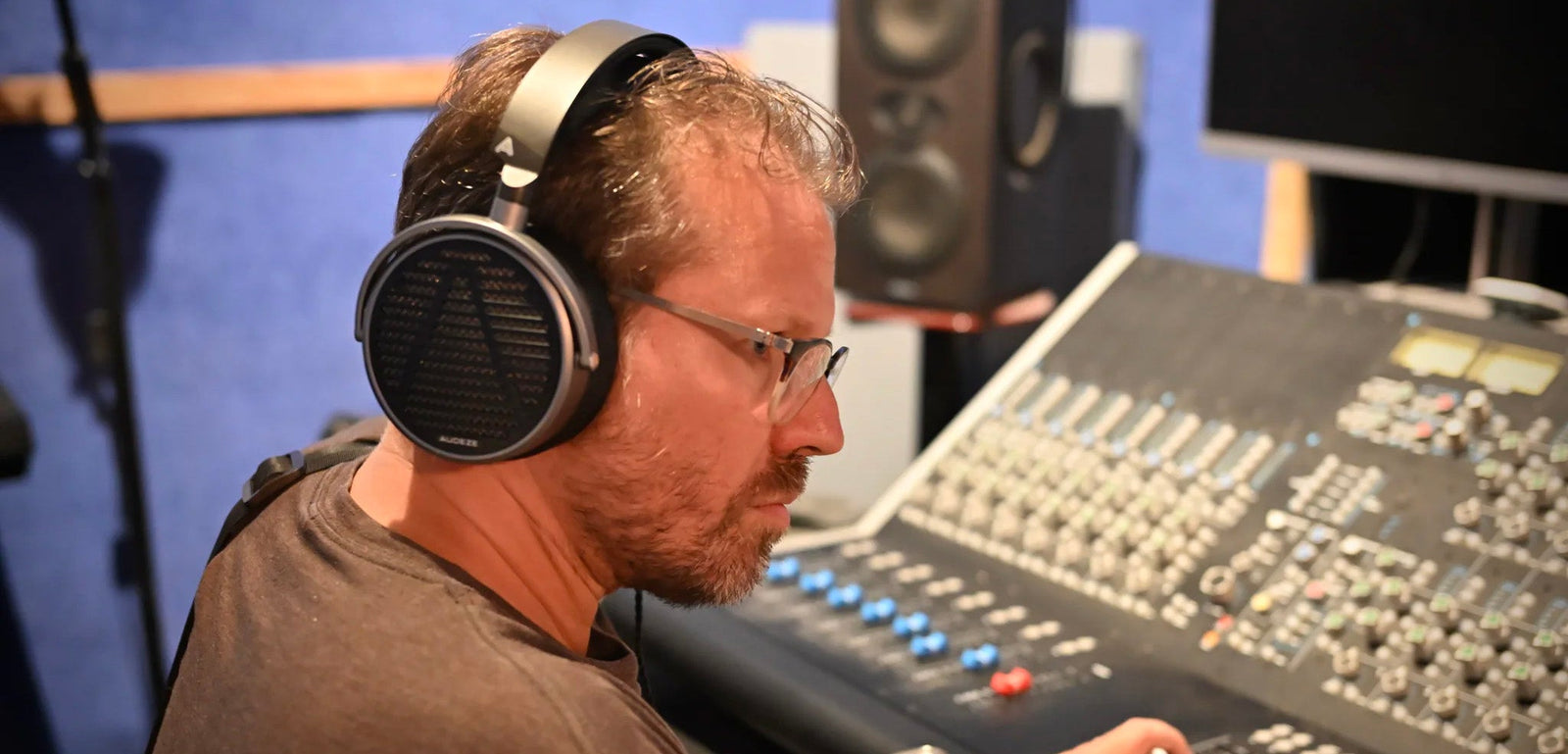
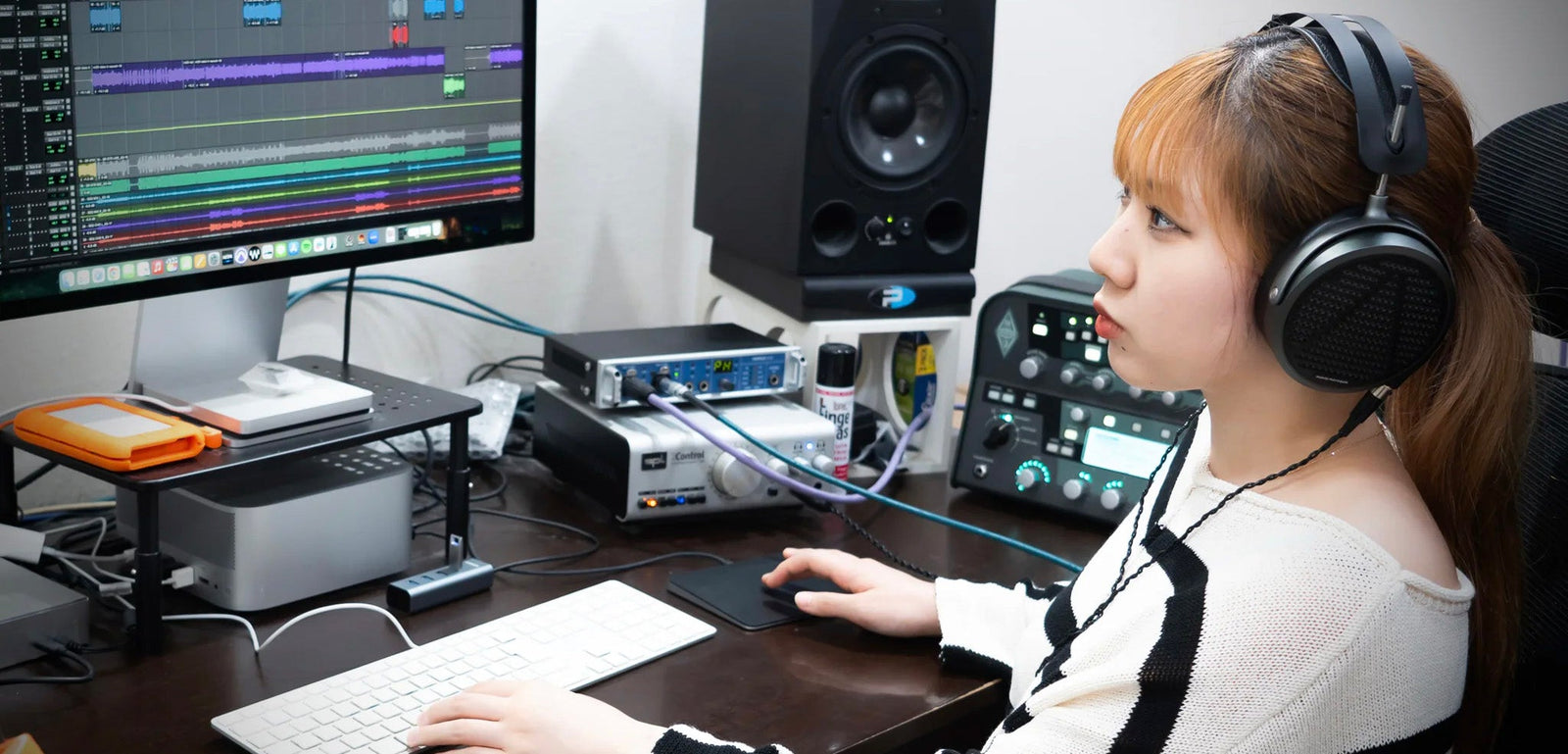
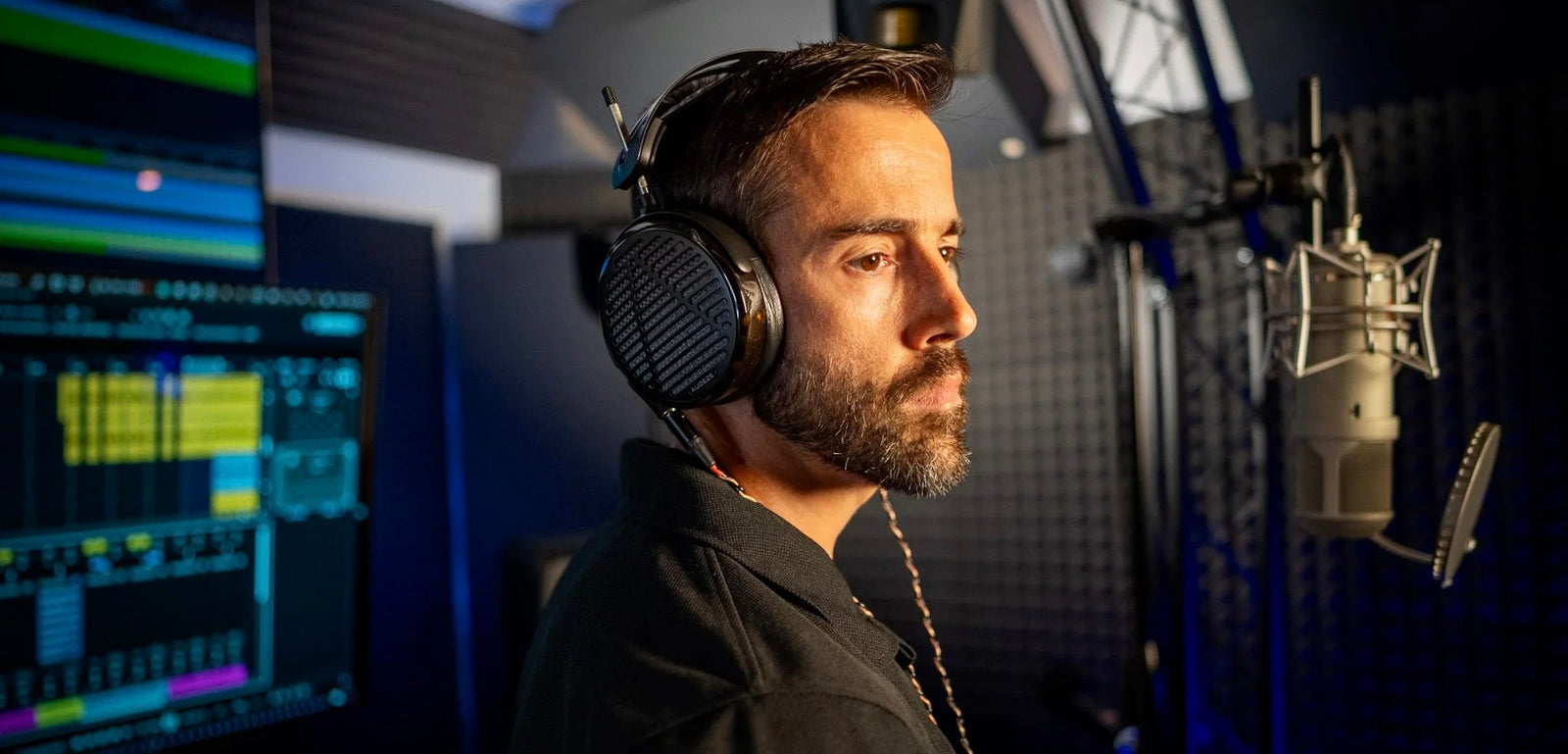
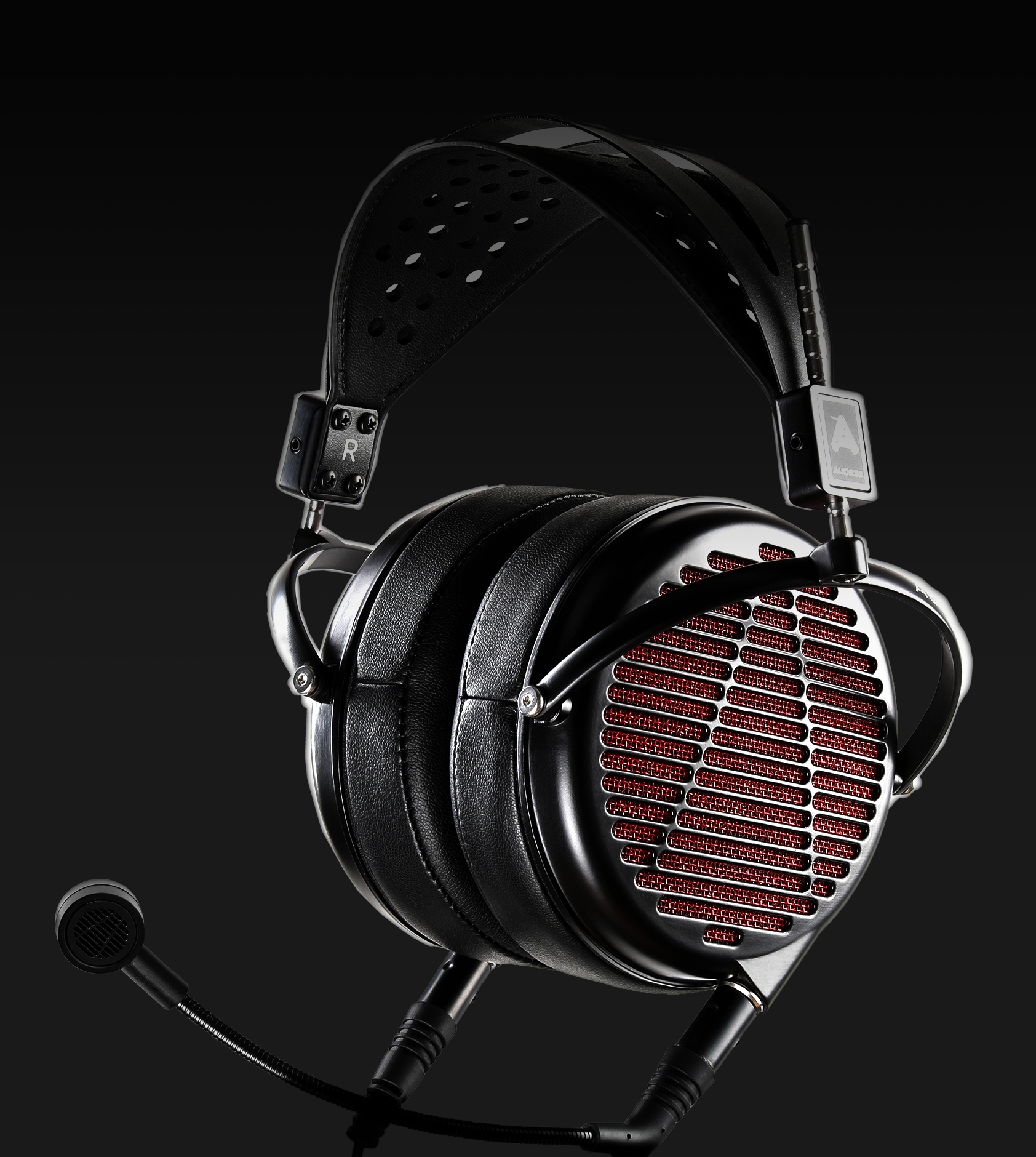
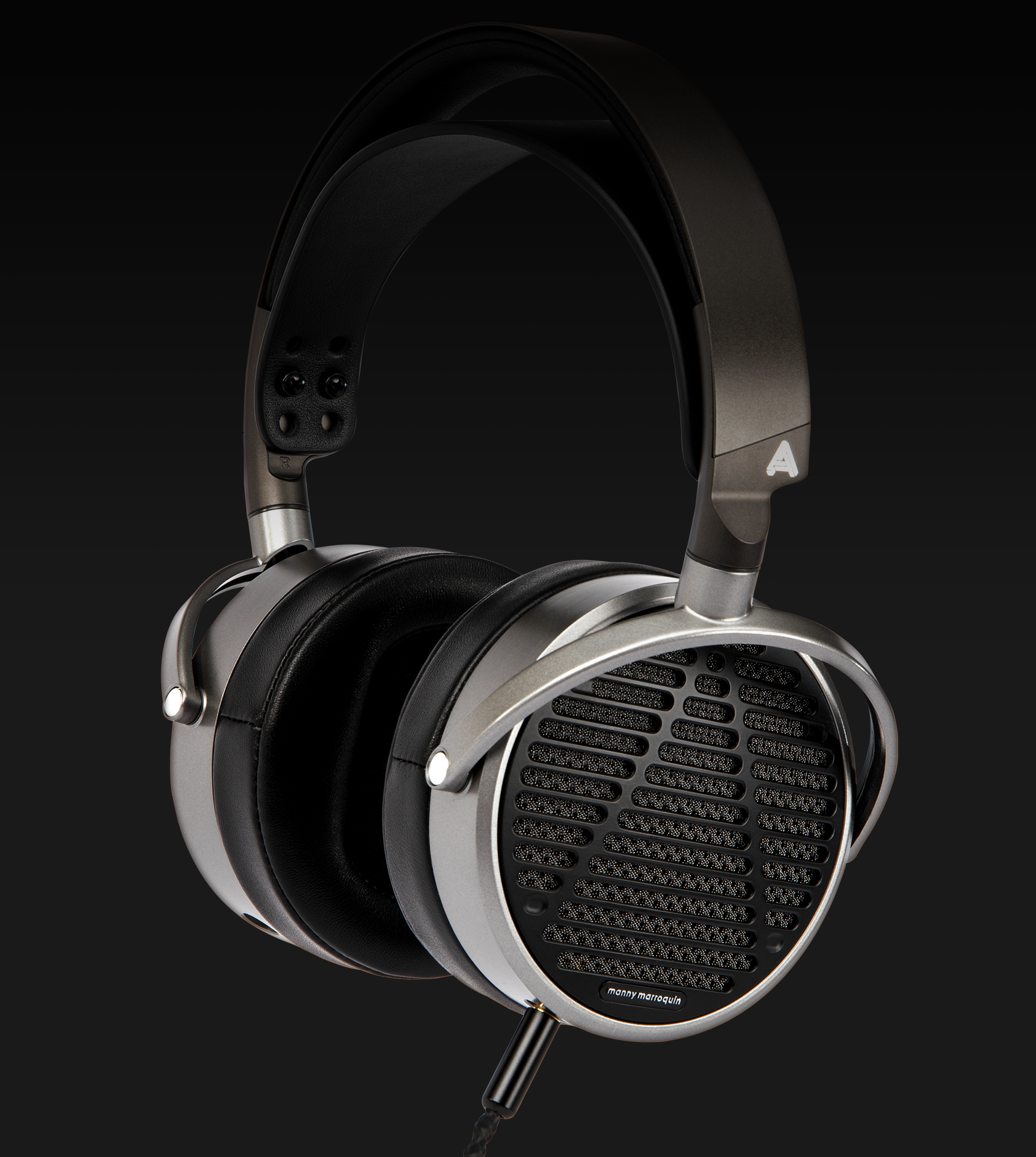
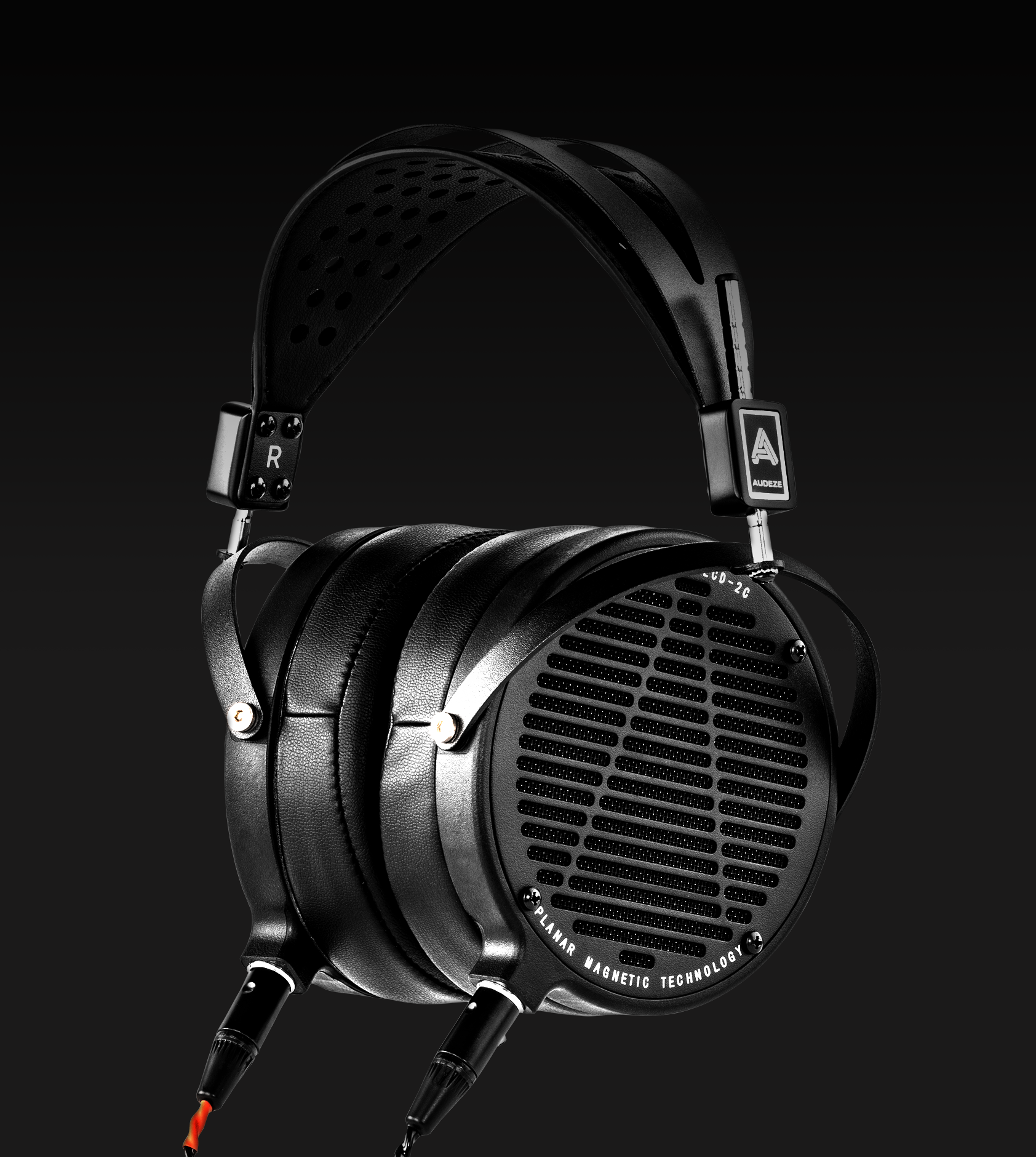
The LCD-1 headphones are the first pair of headphones I've ever used that is truly an accurate reference for mixing. I used to rely solely on my monitors, but these are very accurate, and trustworthy for when I need to listen critically and adjust a mix.
I've been using them for everything I've been working on – personal songs, a Netflix documentary I'm currently working on, and I certainly expect to use them heavily for season three of Hulu's "Love, Victor".
You can truly learn how to do just about anything now. There are so many smart people making tutorials and sharing their knowledge online. There are also more affordable resources – Logic is pretty inexpensive now, you can snag great drum samples from sites like Splice, and rent to own plugins through Splice as well. Just dive in, experiment and have fun!